| — |  ▶ | Just What I NeededThe Cars, 1978. Boston radio played the demo into the ground before the band had a deal | — win | — match wins |
| — |  ▶ | My Best Friend's GirlThe Cars, 1978. Handclaps and a rockabilly solo, the least synthetic thing they ever released | — win | — match wins |
| — |  ▶ | Good Times RollThe Cars, 1978. Opens the debut, and the cheer in the chorus is meant as a sneer | — win | — match wins |
| — |  ▶ | Moving in StereoThe Cars, 1978. Co-written by Greg Hawkes, and the pool scene in Fast Times made it permanent | — win | — match wins |
| — |  ▶ | You're All I've Got TonightThe Cars, 1978. The hardest they ever hit on record, and it never once lets up | — win | — match wins |
| — |  ▶ | Bye Bye LoveThe Cars, 1978. Ben Orr sings it, and it has nothing to do with the Everly Brothers song | — win | — match wins |
| — |  ▶ | All Mixed UpThe Cars, 1978. Closes the debut with Greg Hawkes playing the saxophone himself | — win | — match wins |
| — |  ▶ | Let's GoCandy-O, 1979. Their first US top twenty, built on handclaps and one synth hook | — win | — match wins |
| — |  ▶ | It's All I Can DoCandy-O, 1979. Ben Orr singing the saddest thing on an album that is mostly not sad | — win | — match wins |
| — |  ▶ | Dangerous TypeCandy-O, 1979. Closes the record, and the one later bands kept covering | — win | — match wins |
| — |  ▶ | Candy-OCandy-O, 1979. Title track to the album Alberto Vargas painted the cover for | — win | — match wins |
| — |  ▶ | Double LifeCandy-O, 1979. Slower and meaner than anything the singles suggested | — win | — match wins |
| — |  ▶ | Night SpotsCandy-O, 1979. The fastest thing on the album, gone before it settles | — win | — match wins |
| — |  ▶ | Touch and GoPanorama, 1980. The verse counts in seven and the chorus snaps back to four | — win | — match wins |
| — |  ▶ | PanoramaPanorama, 1980. Title track of the album where they deliberately got colder | — win | — match wins |
| — |  ▶ | Gimme Some SlackPanorama, 1980. The nastiest guitar tone on any Cars record | — win | — match wins |
| — |  ▶ | Don't Tell Me NoPanorama, 1980. Buried on side one and quietly one of Ocasek's best melodies | — win | — match wins |
| — |  ▶ | Shake It UpShake It Up, 1981. Their first US top five, and the one they had to play every night after | — win | — match wins |
| — |  ▶ | Since You're GoneShake It Up, 1981. A drum machine, about four chords, and nothing else in the room | — win | — match wins |
| — |  ▶ | I'm Not the OneShake It Up, 1981. Sat on the album until a remix turned it into a single years later | — win | — match wins |
| — |  ▶ | Victim of LoveShake It Up, 1981. Ocasek at his most deadpan, which is saying something | — win | — match wins |
| — |  ▶ | CruiserShake It Up, 1981. Five minutes of the band refusing to arrive anywhere | — win | — match wins |
| — | 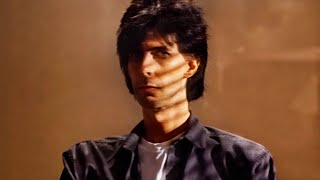 ▶ | DriveHeartbeat City, 1984. Ben Orr's vocal, their biggest hit, and the song under the Live Aid famine film | — win | — match wins |
| — |  ▶ | You Might ThinkHeartbeat City, 1984. Won the first Video of the Year award MTV ever handed out | — win | — match wins |
| — | 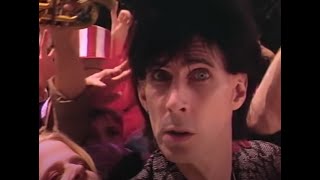 ▶ | MagicHeartbeat City, 1984. Summer single with Ocasek walking across a swimming pool in the video | — win | — match wins |
| — | 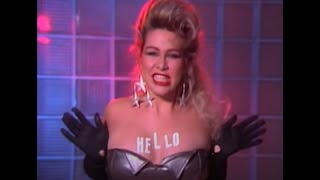 ▶ | Hello AgainHeartbeat City, 1984. Andy Warhol directed the video and put himself in it | — win | — match wins |
| — |  ▶ | Why Can't I Have YouHeartbeat City, 1984. The slow one that was never going to be the hit and got released anyway | — win | — match wins |
| — |  ▶ | Heartbeat CityHeartbeat City, 1984. Title track, and the album's one moment of open space | — win | — match wins |
| — |  ▶ | Stranger EyesHeartbeat City, 1984. Mutt Lange production at its most airtight | — win | — match wins |
| — |  ▶ | Tonight She ComesSingle, 1985. Written for a greatest hits album and went top ten on its own | — win | — match wins |
| — |  ▶ | You Are the GirlDoor to Door, 1987. The last of their singles to reach the US top twenty | — win | — match wins |
| — |  ▶ | Strap Me InDoor to Door, 1987. The band sounding like a band again, briefly | — win | — match wins |
| — |  ▶ | Coming Up YouDoor to Door, 1987. Reworked from a Shake It Up outtake they had shelved | — win | — match wins |
| — |  ▶ | Blue TipMove Like This, 2011. First single in over twenty years, made without Ben Orr | — win | — match wins |
| — |  ▶ | Sad SongMove Like This, 2011. Four of them in a room deciding it was still worth doing | — win | — match wins |