Ranking
Play this bracketBest Beatles Song
0 plays so far
| # | Preview | Candidate | Win rate | Match win rate |
|---|---|---|---|---|
| — |  | Hey JudeSingle, 1968. Paul wrote it for Julian Lennon while his parents were splitting up, starting from “Hey Jules” | — win | — match wins |
| — |  | Let It BeLet It Be, 1970. Paul's mother Mary, who died when he was fourteen, came to him in a dream | — win | — match wins |
| — |  | YesterdayHelp!, 1965. Paul woke with the melody and sang “scrambled eggs” over it until real words arrived | — win | — match wins |
| — |  | Come TogetherAbbey Road, 1969. Began life as a campaign song for Timothy Leary's run at governor of California | — win | — match wins |
| — |  | SomethingAbbey Road, 1969. Harrison's first A-side; Sinatra kept introducing it as a Lennon–McCartney song | — win | — match wins |
| — |  | Here Comes the SunAbbey Road, 1969. Written in Eric Clapton's garden on a day Harrison skipped a meeting at Apple | — win | — match wins |
| — | 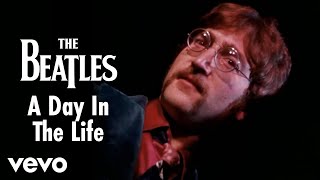 | A Day in the LifeSgt. Pepper, 1967. Two unfinished songs joined by an orchestra told to climb from its lowest note to its highest | — win | — match wins |
| — |  | Strawberry Fields ForeverSingle, 1967. Two takes in different keys and tempos, spliced into one record | — win | — match wins |
| — |  | Penny LaneSingle, 1967. Paul asked for the piccolo trumpet after hearing one in a Bach broadcast | — win | — match wins |
| — | 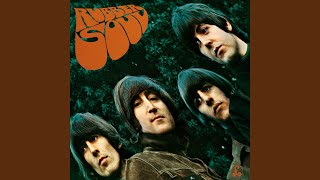 | In My LifeRubber Soul, 1965. The harpsichord solo is George Martin's piano, recorded slow and played back fast | — win | — match wins |
| — |  | BlackbirdThe White Album, 1968. A Bach lute piece reworked; Paul has said the bird was the civil rights movement | — win | — match wins |
| — |  | While My Guitar Gently WeepsThe White Album, 1968. Clapton played the solo as a guest and went uncredited on the sleeve | — win | — match wins |
| — |  | Eleanor RigbyRevolver, 1966. No Beatle plays an instrument on it, only a double string quartet | — win | — match wins |
| — |  | Norwegian WoodRubber Soul, 1965. The first Beatles record with a sitar on it | — win | — match wins |
| — | 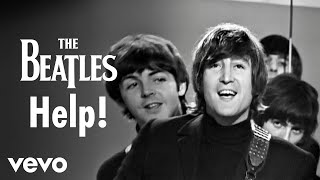 | Help!Help!, 1965. Lennon said later it was a real cry for help that got sped up into a single | — win | — match wins |
| — |  | Ticket to RideHelp!, 1965. Ringo's lurching drum pattern, which Lennon called one of the first heavy records | — win | — match wins |
| — |  | I Want to Hold Your HandSingle, 1963. Written on a basement piano in Wimpole Street, and the record that took America | — win | — match wins |
| — |  | She Loves YouSingle, 1963. Paul's father asked them to sing “yes, yes, yes” instead of “yeah” | — win | — match wins |
| — |  | Twist and ShoutPlease Please Me, 1963. Cut last in the session, in one take, with Lennon's voice already gone | — win | — match wins |
| — |  | A Hard Day's NightA Hard Day's Night, 1964. People are still arguing about what is in the opening chord | — win | — match wins |
| — |  | Can't Buy Me LoveA Hard Day's Night, 1964. Recorded in Paris between residency shows | — win | — match wins |
| — |  | I Saw Her Standing TherePlease Please Me, 1963. Paul's count-in stayed on the record and became the album's first sound | — win | — match wins |
| — |  | All You Need Is LoveSingle, 1967. Played live into the first worldwide satellite broadcast, to a few hundred million people | — win | — match wins |
| — |  | Lucy in the Sky with DiamondsSgt. Pepper, 1967. Named after a drawing Julian Lennon brought home from school | — win | — match wins |
| — |  | With a Little Help from My FriendsSgt. Pepper, 1967. Ringo sang it after refusing the original line about ripe tomatoes | — win | — match wins |
| — | 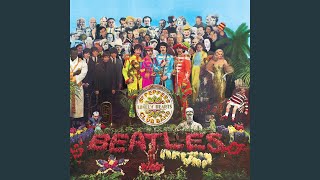 | Sgt. Pepper's Lonely Hearts Club BandSgt. Pepper, 1967. The invented band that let them stop being the Beatles for one record | — win | — match wins |
| — |  | RevolutionSingle, 1968. The B-side to Hey Jude, with the guitars overloaded straight into the mixing desk | — win | — match wins |
| — |  | Back in the U.S.S.R.The White Album, 1968. Ringo had walked out of the sessions, so Paul played the drums | — win | — match wins |
| — |  | Dear PrudenceThe White Album, 1968. Written in India for Mia Farrow's sister, who would not come out of her hut | — win | — match wins |
| — |  | Helter SkelterThe White Album, 1968. Paul's try at making the loudest, dirtiest record anyone had made | — win | — match wins |
| — |  | Ob-La-Di, Ob-La-DaThe White Album, 1968. The takes ran so long the rest of the band came to hate it | — win | — match wins |
| — |  | I Am the WalrusSingle, 1967. Lennon heard a schoolteacher was having pupils analyse his lyrics and wrote this at them | — win | — match wins |
| — |  | Tomorrow Never KnowsRevolver, 1966. Tape loops, a vocal put through a rotating speaker, and one chord for the whole song | — win | — match wins |
| — |  | RainSingle, 1966. Lennon said he found the backwards vocal by threading the tape into the machine the wrong way | — win | — match wins |
| — |  | Paperback WriterSingle, 1966. Written as a letter to a publisher, on purpose, to get away from love songs | — win | — match wins |
| — |  | Day TripperSingle, 1965. The riff came first and the song was built backwards from it | — win | — match wins |
| — |  | Drive My CarRubber Soul, 1965. Paul took the bass line from Otis Redding's Respect | — win | — match wins |
| — |  | MichelleRubber Soul, 1965. A party joke in fake French that Lennon told him to finish properly | — win | — match wins |
| — |  | Nowhere ManRubber Soul, 1965. Lennon wrote it about himself after five hours of getting nowhere | — win | — match wins |
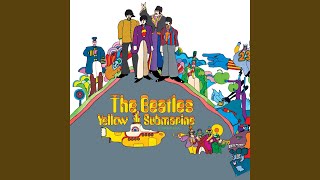
| — |  | Yellow SubmarineRevolver, 1966. Written for Ringo, then buried under the studio's sound effects cupboard | — win | — match wins |
| — |  | Across the UniverseLet It Be, 1970. Lennon rated the words among the best he wrote and the recording among the worst | — win | — match wins |
| — |  | Get BackSingle, 1969. Played on the Apple roof in Savile Row until the police came up the stairs | — win | — match wins |
| — |  | Don't Let Me DownSingle, 1969. The B-side to Get Back, written for Yoko Ono | — win | — match wins |
| — |  | The Long and Winding RoadLet It Be, 1970. Phil Spector added the orchestra and choir without asking, and Paul never let it go | — win | — match wins |
| — |  | Oh! DarlingAbbey Road, 1969. Paul came in early for days to shred his voice into the right shape | — win | — match wins |
| — |  | TaxmanRevolver, 1966. Harrison's complaint about the top tax rate, with Paul playing the solo | — win | — match wins |
| — |  | Got to Get You into My LifeRevolver, 1966. A Motown-style horn record that Paul later said was about pot | — win | — match wins |
| — |  | JuliaThe White Album, 1968. The only Beatles track Lennon recorded alone, for the mother he lost at seventeen | — win | — match wins |
| — |  | Hey BulldogYellow Submarine, 1969. Cut almost by accident on a day booked for filming a promo | — win | — match wins |
| — |  | Here, There and EverywhereRevolver, 1966. Written by the pool at Lennon's house while waiting for him to wake up | — win | — match wins |
| — |  | Please Please MeSingle, 1963. George Martin leaned into the talkback and told them they had just made their first number one | — win | — match wins |
| — |  | And I Love HerA Hard Day's Night, 1964. Acoustic guitars and bongos instead of the band's usual setup | — win | — match wins |
| — |  | Now and ThenSingle, 2023. A Lennon cassette demo finished fifty years later, his voice pulled off the tape by machine | — win | — match wins |