Ranking
Play this bracketThe Aerosmith Song You Turn All the Way Up
0 plays so far
| # | Preview | Candidate | Win rate | Match win rate |
|---|---|---|---|---|
| — | 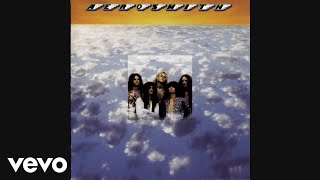 | Dream OnAerosmith, 1973. Stalled at 59 the first time out, top ten when Columbia tried again three years later | — win | — match wins |
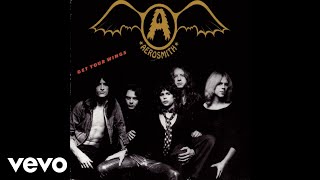
| — |  | Same Old Song and DanceGet Your Wings, 1974. Perry's riff walks in sideways and the horns show up like they were invited | — win | — match wins |
| — |  | Train Kept A Rollin'Get Your Wings, 1974. A blues standard bent into their shape, with a fake crowd spliced over the back half | — win | — match wins |
| — |  | S.O.S. (Too Bad)Toys in the Attic, 1975. Under three minutes of pure snarl, the shortest thing on the ballot | — win | — match wins |
| — |  | Sweet EmotionToys in the Attic, 1975. The talk box intro that a hundred bands tried to borrow and nobody landed | — win | — match wins |
| — | 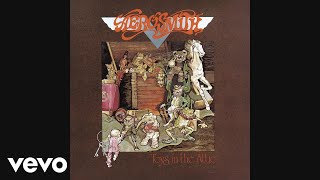 | Walk This WayToys in the Attic, 1975. The riff got a second life in 1986 and dragged the whole band back with it | — win | — match wins |
| — |  | You See Me CryingToys in the Attic, 1975. Strings, piano and Tyler at full stretch, closing the record on a ballad nobody saw coming | — win | — match wins |
| — |  | Last ChildRocks, 1976. Whitford's funk riff and the dirtiest groove the band ever put on a single | — win | — match wins |
| — |  | Home TonightRocks, 1976. The soft landing at the end of the hardest album they made | — win | — match wins |
| — |  | Back in the SaddleRocks, 1976. Six-string bass, cracking whip, and an opening that dares you to turn it down | — win | — match wins |
| — |  | Draw the LineDraw the Line, 1977. Recorded in a convent, and it sounds like the walls were giving up | — win | — match wins |
| — |  | Kings and QueensDraw the Line, 1977. Mandolin, mellotron and medieval imagery, the strangest single of their first run | — win | — match wins |
| — |  | Get It UpDraw the Line, 1977. Loose, leering and barely holding together, which is most of the appeal | — win | — match wins |
| — |  | Come TogetherSgt. Pepper soundtrack, 1978. A Beatles cover cut for a film everyone would rather forget, and it still hits | — win | — match wins |
| — |  | Chip Away the StoneSingle, 1978. Written by an outsider, Richie Supa, and it fits the band better than it should | — win | — match wins |
| — |  | Remember (Walking in the Sand)Night in the Ruts, 1979. A girl-group hit rebuilt as a slow burn while the band was coming apart | — win | — match wins |
| — |  | Lightning StrikesRock in a Hard Place, 1982. The one Perry-free album, and this is the song people still defend from it | — win | — match wins |
| — |  | Bitch's BrewRock in a Hard Place, 1982. A promo-only single from the wilderness years, rarely heard and worth hearing | — win | — match wins |
| — |  | Let the Music Do the TalkingDone with Mirrors, 1985. Perry brought this one back from his solo band when the lineup reunited | — win | — match wins |
| — |  | ShelaDone with Mirrors, 1985. The reunion album at its most unbothered, all swagger and no polish | — win | — match wins |
| — |  | DarknessDone with Mirrors, 1985. Slow, murky and mostly forgotten, which makes it a fine dark horse here | — win | — match wins |
| — |  | My Fist Your FaceDone with Mirrors, 1985. A title that tells you exactly what the guitars are going to do | — win | — match wins |
| — |  | Dude (Looks Like a Lady)Permanent Vacation, 1987. Horns, a hook and outside co-writers, the sound of the comeback deciding to work | — win | — match wins |
| — |  | Hangman JuryPermanent Vacation, 1987. Porch-blues intro, harmonica, and the band pretending they never left the Delta | — win | — match wins |
| — |  | AngelPermanent Vacation, 1987. The power ballad that proved they could sell one, for better and worse | — win | — match wins |
| — |  | Rag DollPermanent Vacation, 1987. Slide guitar and a shuffle, the loosest the comeback ever sounded | — win | — match wins |
| — |  | Magic TouchPermanent Vacation, 1987. An album cut pushed to rock radio, and it holds its own against the singles | — win | — match wins |
| — |  | Love in an ElevatorPump, 1989. A single-entendre song with a riff big enough to carry it anyway | — win | — match wins |
| — |  | F.I.N.E.*Pump, 1989. Filthy and fast, the deep cut that Pump fans name first | — win | — match wins |
| — |  | Janie's Got a GunPump, 1989. The darkest thing they ever put on the radio, with a video David Fincher shot | — win | — match wins |
| — |  | What It TakesPump, 1989. Accordion, pedal steel and a chorus that earns every second of five minutes | — win | — match wins |
| — |  | The Other SidePump, 1989. Motown horns bolted onto a rock band, and somehow it never wobbles | — win | — match wins |
| — |  | Monkey on My BackPump, 1989. Tyler writing about the years he lost, without asking for sympathy | — win | — match wins |
| — |  | Helter SkelterPandora's Box, 1991. Their Beatles cover from the box set, played like a threat | — win | — match wins |
| — |  | Livin' on the EdgeGet a Grip, 1993. A riff in an open tuning, a Grammy, and the video that put them back on MTV | — win | — match wins |
| — |  | Eat the RichGet a Grip, 1993. Blunt, funny and built for an arena to shout back at | — win | — match wins |
| — |  | FeverGet a Grip, 1993. The fastest thing on Get a Grip and the one that sounds least like 1993 | — win | — match wins |
| — |  | Cryin'Get a Grip, 1993. Harmonica, gospel backing and a video anyone born in the eighties can recite | — win | — match wins |
| — |  | AmazingGet a Grip, 1993. Piano ballad with a spoken intro, sincere enough to survive the nineties | — win | — match wins |
| — | 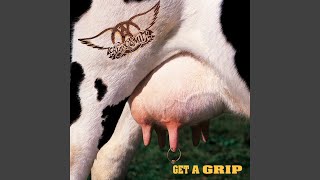 | Shut Up and DanceGet a Grip, 1993. Get a Grip's straight rocker, no ballad, no horns, no apologies | — win | — match wins |
| — |  | Deuces Are WildBeavis and Butt-Head Experience, 1993. Written years earlier, released on a cartoon tie-in, better than that sounds | — win | — match wins |
| — |  | CrazyGet a Grip, 1993. The third of the Get a Grip ballads, and the one with the road-trip video | — win | — match wins |
| — |  | Blind ManBig Ones, 1994. A new song tacked onto a hits album, easy to miss and hard to skip | — win | — match wins |
| — |  | Walk on WaterBig Ones, 1994. The other Big Ones original, harder and less loved than it deserves | — win | — match wins |
| — | 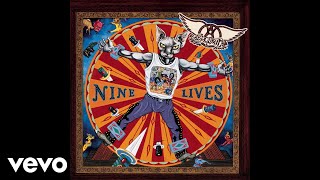 | Nine LivesNine Lives, 1997. Title track from the album they nearly did not survive making | — win | — match wins |
| — |  | Falling in Love (Is Hard on the Knees)Nine Lives, 1997. A stomping riff and a title that does the whole joke in one line | — win | — match wins |
| — | 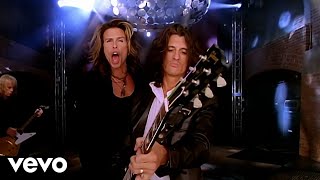 | Hole in My SoulNine Lives, 1997. Six minutes of ballad, the longest swing they ever took at one | — win | — match wins |
| — |  | PinkNine Lives, 1997. Sleazy, silly and unshakeable, plus a Grammy nobody predicted | — win | — match wins |
| — | 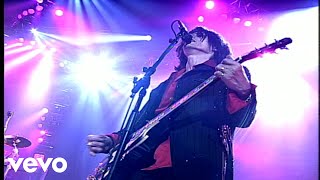 | Full CircleNine Lives, 1997. The quiet one on Nine Lives, about getting older and saying so | — win | — match wins |
| — |  | Taste of IndiaNine Lives, 1997. Strings and drones over six minutes, the most ambitious thing on the album | — win | — match wins |
| — | 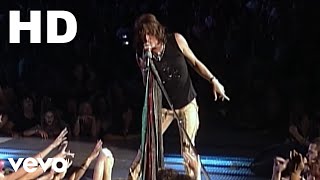 | I Don't Want to Miss a ThingArmageddon, 1998. Written by Diane Warren for a disaster movie, and their only US number one | — win | — match wins |
| — |  | What Kind of Love Are You OnArmageddon, 1998. Their own song on the Armageddon record, the harder half of that pairing | — win | — match wins |
| — |  | Angel's EyeCharlie's Angels soundtrack, 2000. A soundtrack one-off that most people have never knowingly heard | — win | — match wins |
| — |  | JadedJust Push Play, 2001. A hook so clean it barely sounds like the same band that cut Rocks | — win | — match wins |
| — | 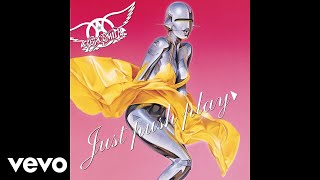 | Just Push PlayJust Push Play, 2001. Loops, filters and studio gloss, the most divisive title track they have | — win | — match wins |
| — |  | Fly Away from HereJust Push Play, 2001. An outside-written ballad that ended up the album's quiet favourite | — win | — match wins |
| — |  | SunshineJust Push Play, 2001. Bright, brisk and shameless, hidden late on the tracklist | — win | — match wins |
| — |  | Girls of SummerO, Yeah!, 2002. Recorded for a hits compilation, which is usually where songs go to die | — win | — match wins |
| — | 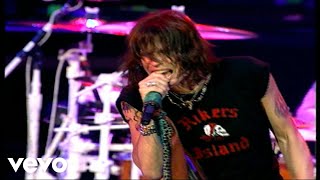 | Baby, Please Don't GoHonkin' on Bobo, 2004. From the covers album, playing the blues they started out playing | — win | — match wins |
| — |  | Devil's Got a New DisguiseDevil's Got a New Disguise, 2006. An unfinished song completed for a compilation, and it earns its place | — win | — match wins |
| — |  | Legendary ChildMusic from Another Dimension!, 2012. A riff left over from the Permanent Vacation sessions, finally released | — win | — match wins |
| — |  | Lover AlotMusic from Another Dimension!, 2012. Fast, mean and the closest the late album gets to Rocks | — win | — match wins |
| — |  | What Could Have Been LoveMusic from Another Dimension!, 2012. One more ballad, decades after they stopped needing to prove they could | — win | — match wins |
| — |  | Can't Stop Lovin' YouMusic from Another Dimension!, 2012. A duet with Carrie Underwood, aimed squarely at country radio | — win | — match wins |